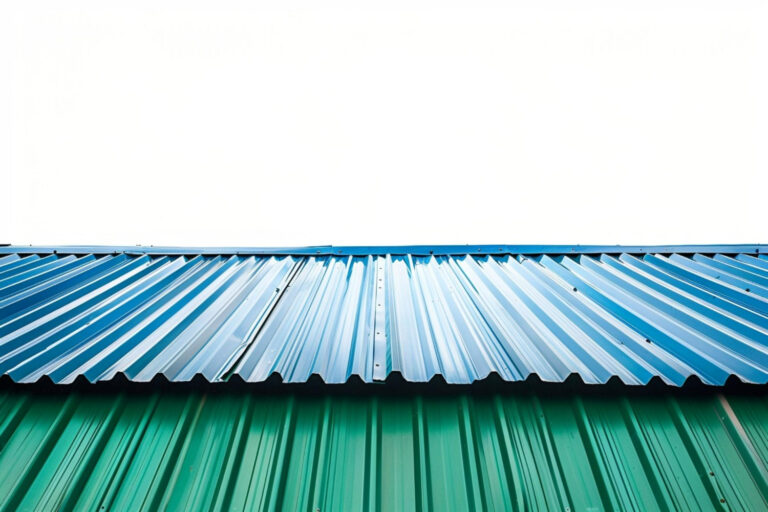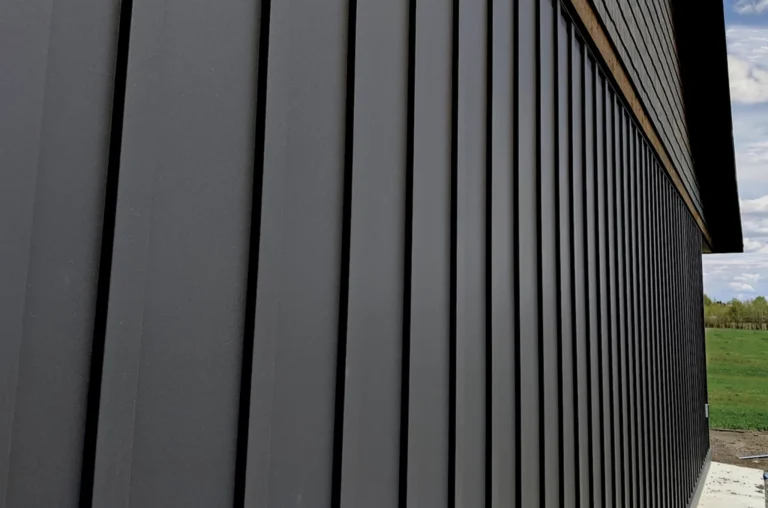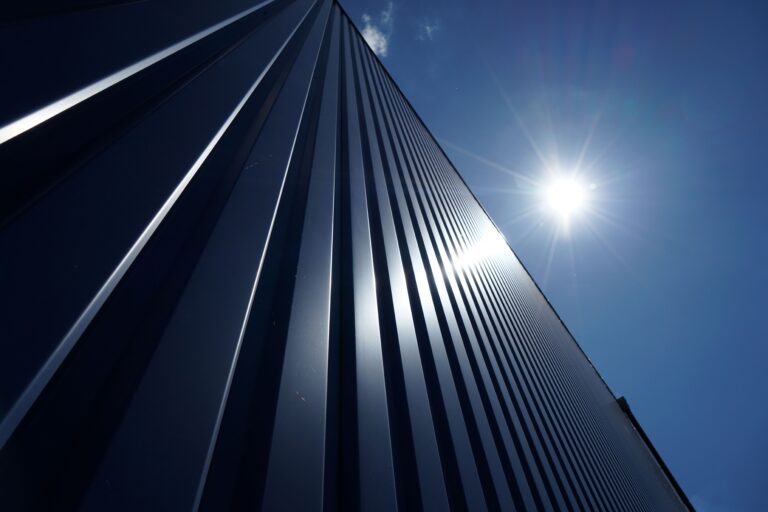
Winter makes everything a bit harder when it comes to construction, especially when temperatures stay low and storms keep rolling through. Cold air, wind, and snow all push the limits of a building’s outer shell. In areas that see more of this, like Rapid City, SD or Casper, WY, it’s easy to spot the weak points in siding once winter hits. That’s why more builders are turning to board and batten metal siding panels. They look clean and structured, and they can take on wet, icy weather without getting damaged or coming loose. This style of siding isn’t just about looks. It brings together smart design and winter toughness, helping buildings stand stronger and last longer when it matters most.
Why Winter Demands More From Siding Materials
Cold and snow don’t just sit on a building. They work their way in, especially when siding begins to shift, crack, or pull apart. Materials that react to these changes end up needing repairs or touch-ups far sooner than expected. Water melts into small gaps, freezes again overnight, and pushes those cracks wider.
Freezing temperatures can:
• Make certain materials shrink, causing gaps around seams
• Lead to damage when water gets behind panels and then refreezes
• Break down low-quality finishes under constant blasts of wind and snow
That buildup, thaw, and freeze cycle is rough on any siding. Once the damage starts, it spreads fast, especially if the siding was never designed to handle moving temperatures.
How Board and Batten Design Adds Winter Strength
Board and batten siding has been around a long time, but the metal version brings extra strength while keeping the same pattern. With vertical boards set closely side by side and slim battens covering the seams, it creates a tight layout that doesn’t leave room for much movement. This structure holds up well under shifting winter demands.
Here’s where the design helps:
• The seam-covering battens give panels a second layer of wind defense
• Vertical installation sheds water downward, keeping it off the structure
• Less panel lift means fewer cold air leaks and reduced chances of moisture sneaking in
That solid shape reduces stress points, which helps keep the siding locked in through rough weather.
The Moisture Advantage of Metal Over Wood or Fiber-Based Siding
Siding made from wood or fiber blends tends to take in water more easily. When things start to freeze and thaw, those materials can crack, swell, or pull away. Wet siding becomes soft over time, and once it absorbs water, it holds it. At that point, repairs are often around the corner.
With metal, you avoid all that because:
• Metal doesn’t soak up water, so you don’t get internal swelling or breakdown
• It dries out faster and holds its shape better when snow melts on it
• The coated finish guards against rust, even in spots that stay wet for a little while
Board and batten metal siding panels bring moisture control into their design by staying stable when other materials start to give way. That’s one less thing to worry about during seasons when water is always on the move.
Metal siding doesn’t let water hang around for long. After snow or rain, moisture can build up on the outside surface, but metal panels keep it from soaking in. This makes problems like swelling or soft spots rare. Since metal is not absorbent, it keeps its shape whether it’s wet or dry. This dry core helps avoid a lot of the sudden siding problems that pop up after a winter of melting and freezing.
Also, many metal panels are finished with a protective coating. This coating helps stop rust and stains from showing up, even if the same part of the panel keeps getting wet. Plus, metal dries off quickly when the sun returns. That means you don’t get lasting water marks or streaks, which can be common on other siding types.
These details make board and batten metal especially fit for wintery climates. While wooden or fiber panels start to lose their strength after a tough winter, metal siding will look and work the same after the snow melts away.
Installation and Winter Readiness
Getting siding up in colder months used to mean waiting for better conditions or fighting through low daylight with slower installation methods. Metal board and batten panels change that. They’re built to install quickly and don’t need extra drying or cure time like other products. This gives crews better flexibility during short winter work windows.
Here are a few reasons installation goes smoother:
• Each metal panel is uniform, which means less trimming or reshaping
• The clean layout fits tightly and fastens down without delay
• Planned trim and flashing make it easy to seal off edges, helping stop water entry
Acme Sheet Metals manufactures every board and batten panel to each project’s needs and offers prompt delivery to locations in Rapid City, SD, supporting tight winter deadlines.
Panel consistency is key in cold weather work. Each sheet arrives straight and ready to fasten, which means less waste and fewer slowdowns on site. Crews can keep moving even when the weather gets worse, instead of having to stop and adjust or cut every piece.
In addition, most panels link together with hidden fasteners, further blocking wind and moisture from finding a way in. The result is a more secure finish that helps keep buildings warm and dry. Teams can work faster, knowing the fit from the first panel to the last one will be the same, and each joint will lock down tight for winter.
Well-made trim pieces and corner flashings are designed to work with the panel layout. These components complete the seal at tricky areas like rooflines, window frames, and around doors. With everything locking neatly together, winter wind and water have a much harder time sneaking in.
A Long-Term Option, Not Just a Seasonal Fix
Siding should do more than handle a handful of snowstorms. Once a tough winter is past, those same panels still need to look good and hold strong. Metal’s minimal expansion in heat or cold means it won’t warp or buckle when the temperatures finally start to climb. Its performance stretches across seasons, not just through them.
We’ve seen it pay off in three key ways:
• Less seasonal movement keeps seams from opening or bending
• The material stays attractive, even through cold, wind, and later spring rains
• The classic board and batten style works well on farm buildings, retail spaces, and modern homes alike
This siding brings together protection and curb appeal without needing seasonal touch-ups or heavy repair schedules.
Buildings need protection that goes beyond short-term fixes, so it makes sense to choose something that can hold up for years. When spring comes and the snow has melted for good, those same board and batten panels stay sharp-looking and strong. Sun, rain, and changing temperatures don’t pull them apart or leave them looking worn.
The classic look matches most types of structures. Whether you’re building something for agriculture, a retail shop, or a personal home, this type of siding fits in. It’s a combination of durability and appearance that doesn’t require re-coating or continual repairs each year.
Low ongoing care is another advantage. Since the panels don’t absorb water, there’s less risk of stains or warping when the season changes. Plus, cleaning is easy, a quick rinse or light brush can help keep them looking fresh after a storm or a windy day.
Made for Midwest Winters
When snow and ice make their way into siding, the damage might stay hidden for weeks. By the time the warmth returns, water spots, cracks, or bulges start showing through. Choosing strong siding at the start is one way to avoid that surprise.
Acme Sheet Metals uses commercial-grade steel with protective coatings, making our board and batten panels well-suited for the challenging freeze-thaw cycles common in the upper Midwest. The material stands up to intense temperature shifts, resisting splits and movement for reliable protection year after year.
Solid planning is key before installing siding, especially during winter. The design and layout of board and batten metal siding panels make it easier to secure every seam and edge from the start. We’ve put together step-by-step guides to help you with common installation needs in colder seasons, so your building stays tight, dry, and protected against the elements. Contact Acme Sheet Metals Inc to get your winter project started the right way.