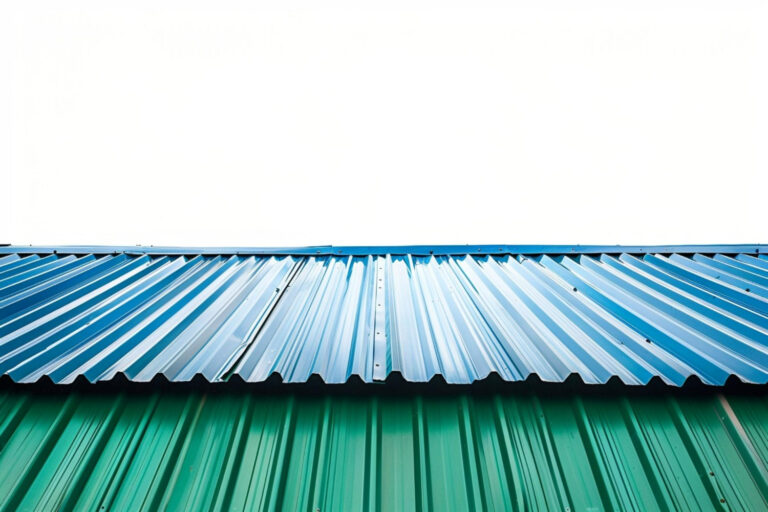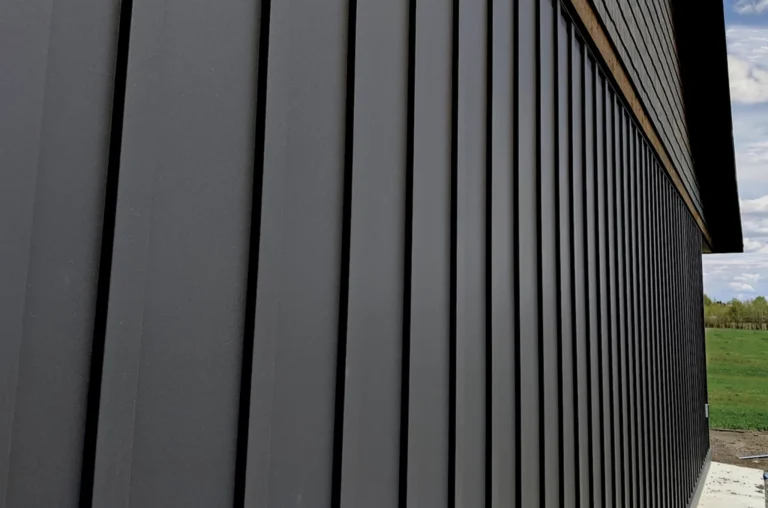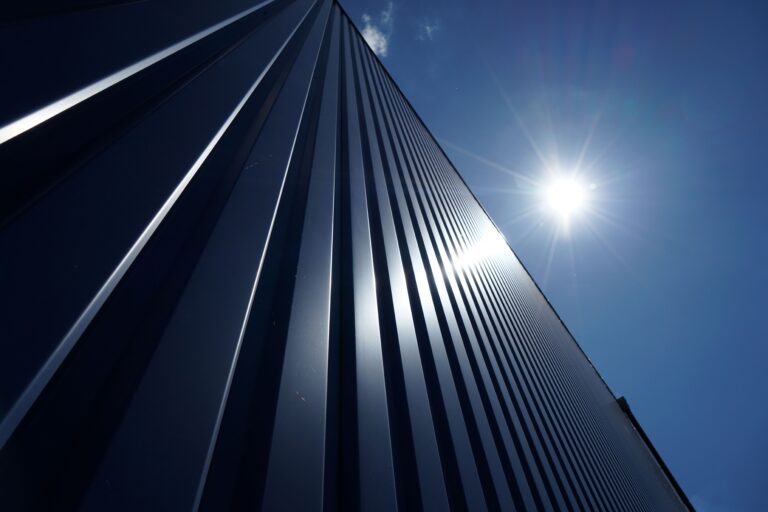
Winter usually brings delays, frozen materials, and tricky jobsite conditions. For commercial builds, these months can be even tougher. Cold air, snow, and moisture all put pressure on building systems. That’s where commercial sheet metal has a clear advantage. This type of material is useful for keeping jobs on schedule and holding up when the weather doesn’t cooperate.
We’ve worked through winters in places that get hit hard, and we’ve seen how the right materials make a difference. If you’ve got a build scheduled during late January or February, strong cold-weather prep isn’t optional. Choosing materials that can handle both freezing nights and sunny afternoons helps buildings stay protected and on schedule.
Cold Weather and the Pressure on Building Exteriors
Cold air affects more than comfort. It starts to shrink materials, makes adhesives harder to apply, and slows down the bonding process. We see it happen often with siding joints, sealants, and unfinished trim lines. Even small points of failure can lead to bigger issues once snow or wind starts pushing on the building.
Wind chills and storm bursts can strain the outer surface of a building more than most people expect. Here’s how winter tests your exterior:
• Snow piles up on flat or low-sloped roofs, which increases structural weight
• Freeze-and-thaw cycles cause gaps in joints to open and close, leading to air leaks
• Exposed surfaces like soffits, fascia, and trim get battered by wind and ice
During cold snaps, having strong and flexible exterior materials can be the thing that keeps a site moving forward instead of grinding to a stop.
How Sheet Metal Responds to Cold Better Than Other Materials
Lots of traditional building materials soak up moisture or crack when the temperature drops. That’s not the case with metal. Unlike wood or fiber-based siding, commercial sheet metal doesn’t absorb water. That gives it a major edge when freeze-thaw cycles come into play.
What makes it stand out during winter?
• Sheet metal offers a smooth, sealed surface that repels moisture instead of trapping it
• Custom-cut panels fit cleanly, reducing the number of seams where air or water might sneak in
• Galvanized finishes and protective coatings help slow down rust formation in wet or snowy areas
All of this means less maintenance during winter, less repair work in spring, and fewer breakdowns during freezing months. That adds real value when project timelines are already tight.
Supporting Large Commercial Jobs With Strength and Speed
Winter builds don’t wait around, so we don’t either. Timing matters more than ever once the ground starts to freeze and daylight hours shrink. Big jobs need materials that show up ready to install, even in low temps.
Here’s how sheet metal fits into that plan:
• It can be prefabricated and delivered ahead of time to stay ahead of storms
• Crews can install it in below-freezing conditions without waiting for warm weather
• Uniform panels help speed up installation when hands are cold and time is short
We specialize in precision fabrication and on-site production, making it possible for project managers to receive custom panels and trim on aggressive winter schedules. These services help construction crews in Rapid City, SD, keep jobs moving, regardless of temperature swings.
Addressing Moisture Control and Structural Movement
Every building moves a little when it gets cold. Materials expand and contract, seals stretch, and surface finishes take a hit. Commercial sheet metal keeps things tight without getting brittle or warped.
The paneling works alongside other materials to keep the structure balanced. Here’s why we trust it when it gets icy:
• Sheet metal bends slightly as buildings settle or shift, instead of cracking
• Panel systems are built to hold tight during thermal expansion and contraction cycles
• Proper flashing and trim coverage helps block gaps at corners, roof edges, and wall ends
Moisture might sneak into vulnerable spots when other materials shift, but metal setups with tight seams and closures help keep the cold where it belongs, outside.
Planning for Temperature Swings Across Late Winter
January and February don’t always stay cold. Sunny afternoons can warm buildings by 40 or 50 degrees in just a few hours, then freeze up again by nightfall. That kind of back-and-forth is tough on materials that can’t adjust.
Sheet metal doesn’t mind the mood swings. When it’s planned properly, it handles these shifts like a pro.
• It holds shape and strength through quick changes in temperature
• Coated metal finishes keep water moving instead of pooling and refreezing
• Tight panel fits help avoid cold air blowback or thaw leaks as temps go up and down
We provide a broad line of commercial roof, siding, and trim solutions, all manufactured to meet the rigorous demands of the Northern Plains climate. Every product is backed by local delivery to Rapid City, SD, helping contractors stay prepared for evolving winter conditions.
Choosing Commercial Sheet Metal for Lasting Winter Protection
Harsh winters will find a building’s weaknesses. Materials that hold in warmth, stand strong against snow, and don’t shrink or buckle get tested hard. Sheet metal has shown again and again that it’s built for this season. It doesn’t crack or shift the way many others do and proves useful from deep winter through early spring.
By sticking with materials that stay dependable no matter the weather, commercial builds keep moving toward the finish line. When snow, ice, or rapid thaws strike a South Dakota jobsite, reliable sheet metal systems help ensure the structure stays dry, tight, and on track.
Start Your Project With Confidence This Winter
Planning a winter project that demands durable exterior performance? We offer practical year-round solutions to help your build stand up to snow, wind, and temperature changes. For a strong start, our installation info covers every key aspect of your next job. Our helpful guides provide step-by-step instructions for fitting, sealing, and placing commercial sheet metal on various building types. Connect with Acme Sheet Metals Inc today to arrange your installation and keep your winter project on track.