After a heavy snowfall, the real challenge is not always during the storm. It is when the snow begins to melt and unknown pressure starts to shift across the building. Water pools in places you did not expect. Seams that held tight for months suddenly show weakness. That is the moment when roofing choices make the biggest difference.
Corrugated metal roofing panels have long been a go-to in cold weather areas, and it is not just because they hold up well during the storm. It is about how they perform after, when water, weight, and ice cycles test every edge and fastener on the roof. Their ridged shape, solid construction, and tight fit help keep roofs functional and dry when the snow starts to clear. The days after a snowfall are often the toughest, and that is exactly where these panels show their value.
Snow Melt and Water Shedding Design
Meltwater is harder on a roof than fresh snow. Standing water causes leaks, adds weight, and speeds up wear near seams and fasteners. That is where the shape of corrugated metal roofing panels plays a clear role.
The wavy design creates raised and lowered sections that guide water off the roof fast. Snow melt does not just sit flat. It is pulled into the valleys between ribs, then follows the slope off the edge.
Here is how this shape helps once snow starts to melt:
• Snowmelt drains quickly through the panel grooves, limiting pooling
• The ridges break surface tension, which pushes the water to move
• Steeper roof pitches use the grooved pathways more effectively
With this type of roofing, water does not have time to hang around and cause damage. By preventing standing water, it is harder for ice dams to form along roof edges or in valleys.
Strength Against Shifting Load
Snow does not always melt evenly. Shady roof sections can hang onto a snow layer for days, while other spots start draining right away. That uneven melt causes weight shifts that throw off balance and stress both the structure and the paneling.
Corrugated metal handles this better than many flat or smooth options. Its shape helps distribute weight side to side, and a well-supported system does not buckle under partial or patchy melt.
The strength shows up in three ways:
• Heavier-gauge panels do not sag when certain areas collect more meltwater
• Ridges increase load capacity over flatter designs
• The wave pattern spreads pressure across a larger surface
This helps prevent the common issues seen in late winter: warped panels, broken seals, or strained seams. A roof that holds steady through melt cycles dodges most of the issues that come from sudden temperature changes.
Avoiding Cold-Weather Damage to Seams and Fasteners
As snow turns to water, the roof does not just warm up. It expands, contracts, and shifts in tiny ways all over. Fasteners can loosen. Clip systems can snap out of place if panels move too much. Seams are often the first place water likes to find its way in.
Corrugated metal roofing panels respond slower to these changes. Their ridged design and structural depth help anchor each panel in place, even when the roof beneath is moving slightly with the freeze-thaw pattern.
Here is how they help reduce damage:
• Fewer seams make fewer weak points for water intrusion
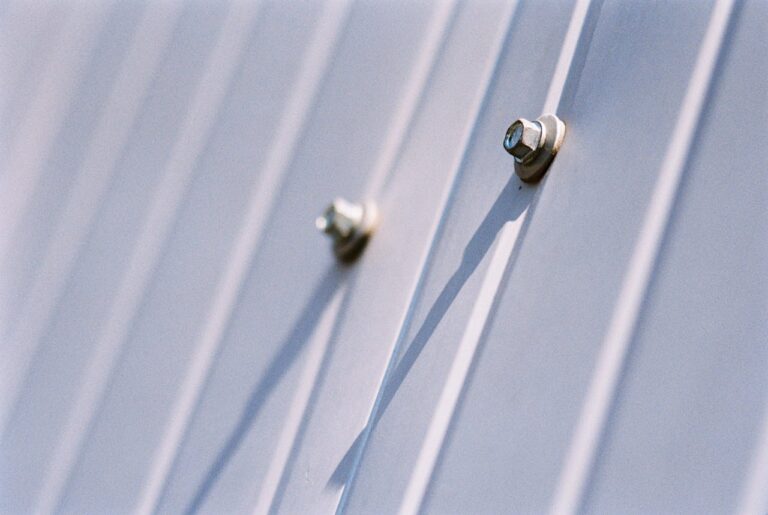
• Panel edges are better supported with consistent fastener spacing
• Reduced material flop means less stress on screws and joints
In this late-winter window, these elements help shield roofs from surprise repairs, seam leaks, backup under flashing, or popped fasteners that let water seep in.
Spring-Ready Surfaces with Less Wear
By late February, roofs have seen a lot. Weeks of snow and ice leave behind grit, dirt, tree debris, and uneven wear, especially where runoff slows down or piles up. One of the easiest ways to cut down that damage is by using a roofing surface that sheds all of it.
Metal roofing naturally rinses off better in spring than wood, tile, or composite options. Water does not soak in. It runs off, taking debris with it. That means fewer stains, softer finishes, and less scrubbing later.
What makes this work:
• Metal surfaces do not trap sediment as snow melts
• Paint systems and coatings resist spring grime and strong sun
• Smooth runoff paths help clean the surface without effort
This gives panels a clean reset going into warmer weather. It also means the roof will look better and last longer, with fewer changes from season to season.
Built for Every Season, Not Just the Snow
The benefit of corrugated metal roofing panels is that they do not need to adjust based on the season. While they handle frozen build-up well, they also stay steady once the sun comes out and the days warm quickly.
This value shows up clearly in places where spring bursts onto the scene quickly. In some areas, snow fades fast and roofs jump from freezing cold one day to warm and sunny the next. Not every material does well with that change, but metal holds its shape through all of it.
Here is why:
• No swelling or shrinking as moisture leaves and returns
• Stable against high winds during stormy transition seasons
• Does not lose fastener tension as temperatures rise
A roof that can move through winter into spring without shifting or softening sets the tone for long-term performance. For regions with sharp seasonal swings, consistency is a strength that is always sought after.
Dependable Rooftops After the Last Snow
As late winter sets in, the storm might be done, but that does not mean the roof is in the clear. Melting snow still moves through every valley, seam, and fastening point. Water freezes again overnight. Weight lingers in gutters and low points. During these in-between weeks, roofing materials get tested most.
Corrugated metal roofing panels manage that in-between time with less trouble. They push water off the slopes, hold strong against weight patches, and do not shift much when shrinkage or heat causes expansion. That steady performance can prevent many problems before spring fully takes over.
Thinking ahead for the final stretch of winter means thinking beyond the storm event. Roofs work hard once it is quiet again, and those that hold their shape through the last melting snow are often the ones that last longest. The best roofing choices are not just about the freeze. They are about how we handle everything that comes after.
Planning to update or install roofing that can handle wet winters and unpredictable spring transitions means choosing materials made to last. Knowing how corrugated metal roofing panels are installed can make all the difference in performance under snowmelt, wind, and shifting temperatures. From fastener placement to proper panel overlaps, a solid installation delivers the strength your roof needs year-round. At Acme Sheet Metals Inc, we combine trusted materials with hands-on expertise to help protect your investment. Call us to discuss your next roofing project.