Winter has a way of testing how well a roof holds up. Heavy snow, cold snaps, and shifting temperatures all push materials to their limit. When we work in places where those conditions hit hardest, like Rapid City, SD or Casper, WY, we look for roofing systems that stay dependable through it all. That’s where a strong profile like 7/8 corrugated comes into play. Its shape, strength, and resistance to cold-weather movement make it a smart choice for keeping jobs on track and roofs standing firm once the snow starts falling.
If you’re planning a winter build or need to upgrade an existing roof mid-season, it helps to understand how snow load works and why certain materials handle it better than others. Knowing what makes some panels work and others fall short can make a big difference when the temperature drops and the roof starts to carry more weight.
Understanding Snow Load on Roof Structures
Snow load is the pressure a roof has to carry from snow piling up over time. It builds as snow collects, and it can push hard on framing and outer materials, especially if the snow sticks around for weeks. This load changes depending on how the roof is built, how steep the slope is, and what kind of snow falls in your area.
Flat or low-pitch roofs are at the most risk of holding snow too long. When that happens, a few problems can follow:
• Roof sagging or structural stress under the weight
• Leaks caused by water working into seams or nail points
• Ice dams forming at roof edges as snow melts and refreezes
Roofs that shed snow better tend to stay in better shape through winter. That comes down to pitch, drainage, and the way materials respond to freeze-thaw cycles.
Why Panel Profile and Gauge Matter
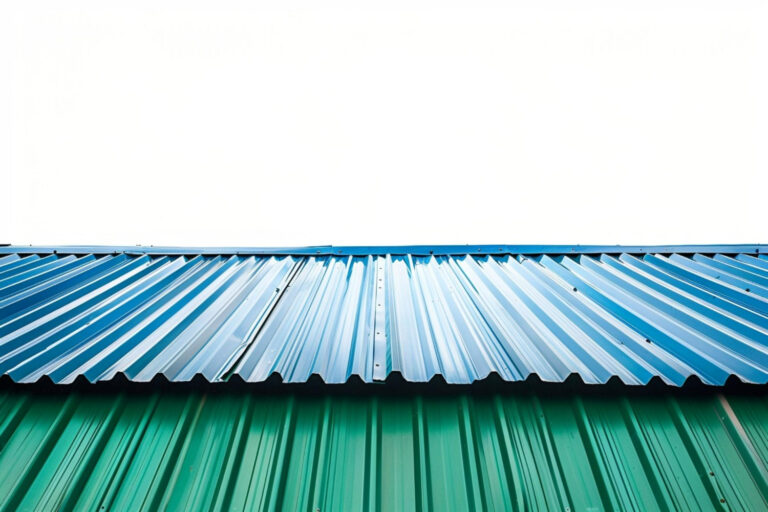
When we say 7/8 corrugated, we’re talking about a specific metal panel with wave-like ribs spaced just under an inch tall. These ribs give the panel added strength and allow snow and water to move off the roof more easily. But it’s not just the profile that matters. The thickness, or gauge, plays a big role too.
Heavier gauge panels can take on more load without bending or oil-canning. Thinner panels might work in warmer months, but under heavy snow, they’re more likely to shift or stress at the seams. For winter-heavy regions, we lean toward a thicker panel and a well-supported layout.
Here’s where panel shape pulls extra weight:
• The wave design channels melting snow off the roof faster
• Fewer flat spots reduce the chances of pooling or re-freezing
• The ridges boost load support across larger spans
That mix of strength and shape makes 7/8 corrugated panels a natural fit for snowy climates.
Installation Factors That Support Winter Performance
No matter how strong the panel is, it won’t hold up well if it’s not installed the right way. Winter roofing performance starts with what’s underneath: sub-framing, spacing, and mounting hardware.
Proper framing and support help spread snow load evenly so no one section of the roof takes too much strain. The way panels are secured makes a big difference too. We often use fastening patterns that hold tight even when wind and ice try to pull at edges or seams.
Key points to watch:
• Sub-framing should match the panel span and load plan
• Fasteners need to stay sealed and not pop out when materials expand or contract
• Flashing and overlaps at joints should block moisture, not trap it
If panels aren’t aligned correctly or seams are left exposed, cold air and water can find their way into tight spots. That’s when problems start.
We offer 7/8 corrugated panels fabricated for commercial, agricultural, and industrial roofs, and each panel is cut to fit your building dimensions. With locally based service in Rapid City, SD, materials can be delivered promptly to keep installation on schedule through the winter months.
Maintenance Tips Once Winter Is Underway
Once the roof is up, keeping an eye on it through the season goes a long way. Snow doesn’t just fall and sit still. It melts, shifts, refreezes, and adds unexpected weight overnight.
Watch for these signs of stress:
• Sagging between fasteners or above framing
• Large ice dams forming at gutters or valleys
• Any leaks inside after temperature swings
Removing snow might sound simple, but not all tools or methods are safe for metal panels. Dragging a shovel across a coated roof can scratch the surface and open it up to rust later on. Use soft tools, and try not to break up ice directly where panels meet. Clearing snow with care keeps your roofing system intact for the next round of weather.
Why Contractors Choose Corrugated for Cold Climate Roofs
In areas with sharp temperature shifts and long winters, timing matters. That’s one reason many pros turn to 7/8 corrugated for projects that run through the colder months. These panels don’t need perfect weather to install, and they don’t change shape or pull free when the cold takes hold.
They’re also great for larger buildings with longer roof runs. The ribs help keep weight spread out, and the uniform look makes it easy to line up across big surfaces without weak points getting in the way.
Advantages you’ll notice:
• Handles quick cycles from freezing to thawing without cracking
• Matches well with build schedules that stretch into or through winter
• Supports long ridges with few seams and fast, clean installs
It’s a system that works when delays aren’t an option and strength can’t come second.
Built for Midwest Snow Loads
Winter puts serious weight on every piece of a roof, from panels to fasteners. Using materials built to stay strong through snow, water, and ice makes all the difference. A well-installed 7/8 corrugated roof doesn’t just survive the season, it helps the structure underneath stay solid too.
We manufacture panels from heavy-gauge steel, designed to perform through freeze-thaw cycles common in the Northern Plains. All products are crafted for maximum strength and durability against snow loads, helping protect large commercial buildings and agricultural structures alike.
Maximize the performance of your roofing materials during cold-season builds by understanding how proper installation impacts long-term durability. A solid layout, reliable support, and correct spacing keep your system standing up to heavy snow and hard freezes. Take a look at our step-by-step guides for everything from preparation to sealing, which helps deliver a smoother install and fewer issues down the line.
Maximizing your roof’s strength during harsh winter months is crucial for maintaining durability and safety. At Acme Sheet Metals Inc, we provide expert advice and high-quality solutions to ensure your roofing project stands the test of time. Explore our comprehensive 7/8 corrugated installation guides to optimize your winter roofing performance and keep your structure strong through the freeze-thaw cycles. Don’t leave your project to chance—let us help you stay on track with reliable roofing materials and expert support.