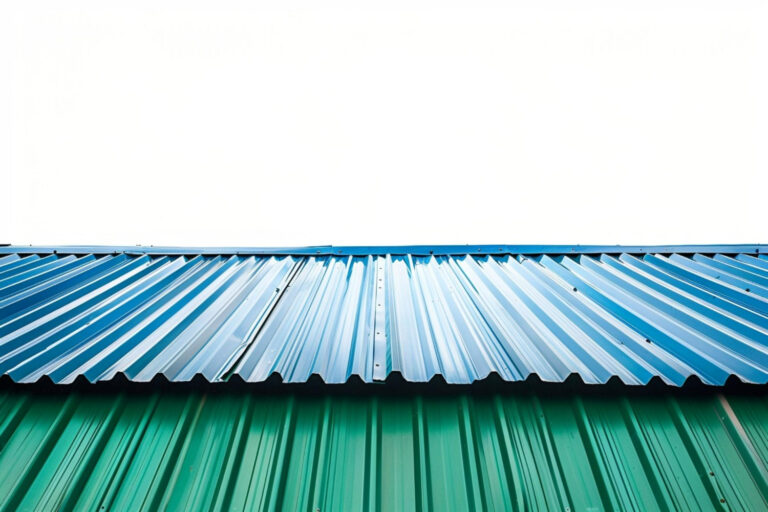
Corrugated metal roofing panels are built to last, but that doesn’t mean you can forget about them once they’re installed. When cold weather hits, any weak or loose spots in the roof can quickly become a bigger issue. Wind, heavy snow, and freezing temperatures push roofing systems to their limits. If panels shift or fasteners come loose, you’ll end up with drafts, leaks, and possibly serious damage to the structure underneath. It’s all about catching problems before the storms roll in.
Fixing up loose panels before winter gives your roof a stronger chance of standing up to the season ahead. You don’t have to wait until something goes wrong. Even small warning signs like rattling panels or missing screws can point to bigger trouble if they’re left alone. The good news is there are simple ways to know what to look for and how to keep those panels in place. Spotting issues early and having the right materials ready can make all the difference as the temperature drops.
Identifying Loose Panels
The first step to fixing any metal roof is knowing what to check. Loose corrugated metal roofing panels can show signs in a few different ways. Some are easy to spot, like panels that appear out of line. Others might take a bit more attention to catch before they cause problems.
Here are a few common signs that tell you a panel might be loose:
– Gaps between panels or between a panel and the trim
– Raised corners not sitting flat on the roof
– Screws that are sticking out or missing
– Discoloration or rust around fastener holes or seams
– Noticeable rattling or flapping noises when the wind picks up
Walk around your home or building and inspect every section of your roof. A visual check from the ground helps, but using a ladder to view the roof edges more closely is even better. Pay extra attention to covering edges, corners, and spots where panels overlap. These areas get the most strain when wind changes direction or temperatures drop.
It’s easy to overlook something like a loose fastener until it leads to a water leak or a cold draft. A single improperly seated screw in the wrong place can allow moisture through, and in freezing conditions, that water turns to ice and lifts the panel even further. Keeping panels tight now avoids bigger problems in the thick of winter.
Necessary Tools And Materials
Once you’ve spotted where your corrugated metal roofing panels are out of place, the next step is being prepared. You won’t need specialty tools, but working with the right gear can save you time and stress as the weather turns colder.
Here’s a list of what you’ll likely need:
– Drill or impact driver with matching bit for fasteners
– Self-drilling screws or panel-specific replacements
– High-quality roofing sealant or metal-safe caulk
– Metal snips for light trimming, if required
– Rubber washer head screws for extra water protection
– Sturdy ladder, gloves, and a safety harness
When making roof repairs, stick with parts made for metal roofing. Using the wrong type of screw or sealant can cause cracks or gaps that allow water to gather. Matching materials helps avoid problems later. Always double-check fastener size, thread type, and that they include proper sealing washers if needed.
Sealants are a major part of preventing water issues. A good weatherproof sealant forms a barrier at seams, screw heads, and any cut metal edges. This keeps snow from working its way underneath and blocking paths for moisture—something you want no part of during freeze-thaw cycles.
Gathering the items before climbing ensures you don’t need to stop midway. That’s handy when daylight hours are short and roof work becomes a chilly task. If you’re not sure which exact fastener or sealant fits your current panels, ask an expert for guidance. The right match matters.
Step-By-Step Guide To Fixing Loose Panels
Now that you’ve got your tools and a clear idea of what needs work, the next step is fixing things up carefully. Even if you only see one problem spot, fixing it properly means you won’t be back up on the roof again come January.
Here are the steps to follow:
1. Remove any damaged or loose fasteners. If a fastener won’t tighten or spins freely, remove it entirely. Check if the hole is rusted or cracked.
2. Replace with a new screw of equal or better strength. Make sure it’s the right size and type for the panel. Tighten snugly but avoid over-driving it.
3. Apply a bead of weatherproof sealant along seams, fastener heads, and around joints. Don’t overdo it, just enough to close any exposed gap.
4. Push down any lifted corners or edges. The sealant will help hold them in place as long as pressure is applied while it cures.
5. Evaluate the panel alignment. Stand back and check that everything sits flush with neighboring panels. A small gap now can become a bigger gap later.
If you find a panel that’s bent, visibly corroded, or just won’t lay flat, you may want to plan for a full replacement. Trying to force warped metal back down could worsen the issue. A secure ladder, dry roof conditions, and steady feet are key. Safety comes first. If conditions are icy or unstable, it’s best to call in help rather than take risks.
Fixing sheet metal panels is more about being precise and patient than fast and rough. A properly seated fastener or a clean sealant line may not seem like much now, but those are the details that protect your building all winter long.
Preventive Measures For Future Maintenance
Once you’ve finished your repairs, it’s not quite time to forget the roof altogether. Corrugated panels last longer and perform better when they get inspected routinely.
Here are some easy routines to adopt:
– Do visual inspections twice a year—once in spring and once in fall
– After any major wind event, check for movement, rattling, or missing screws
– Make sure gutters and downspouts are clear to stop water from pooling
– Trim tree limbs that hang near or touch the roof
– Monitor fasteners and seams for rust or early signs of separation
One property we recently worked with had an attic that felt noticeably colder come winter. After a close look, the issue traced back to a pair of slightly separated panels near a ridge vent. The gap wasn’t huge, but it let cold air and snow enter. A quick seasonal check could have caught the problem earlier.
If you’re having other work done—like painting, panel replacement, solar installation, or new siding—it’s smart to have the roof reviewed while access is easy. That kind of double-duty helps you stay ahead instead of falling behind repairs.
Stay Ahead of Winter Weather
Tightening loose panels and sealing your corrugated metal roof before winter hits gives it the support it needs to handle whatever nature throws your way. Cold air, snow, and high winds can turn small repairs into bigger headaches if left alone.
Early inspections, gathered supplies, and small repairs done now save time and money through the harsher months. Taking the time to prep helps protect the rest of the building structure, from attic insulation down to drywall. Being a step ahead keeps your home or shop dry, warm, and safe when the storms arrive.
If your roof needs attention before winter settles in, take a closer look at how to reinforce and care for your corrugated metal roofing panels. At Acme Sheet Metals Inc, we provide the guidance and services you need to protect your home against cold, wind, and snow. Let us help you stay prepared and secure year-round.