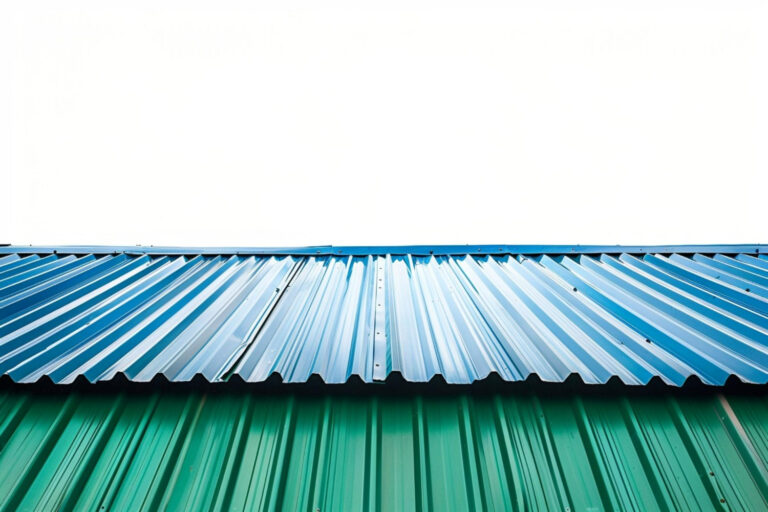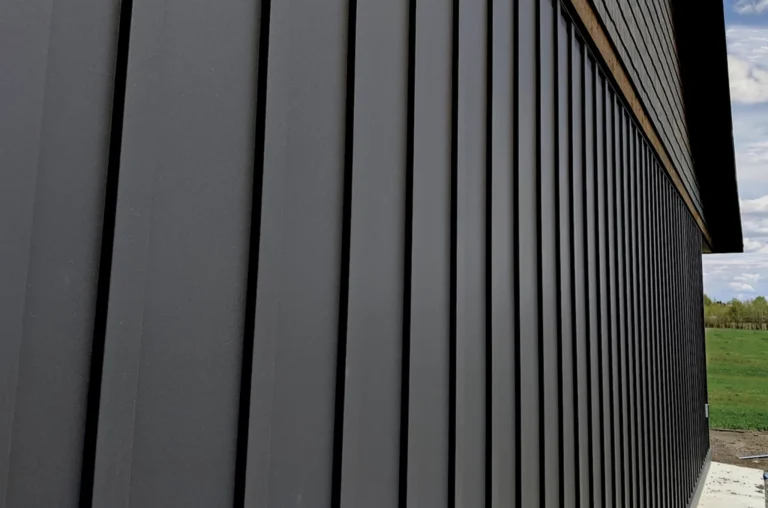
When winter rolls in, metal roofing takes on the full force of snow, wind, and freezing rain. The look and strength of metal roofing materials are often what homeowners choose them for, but even the best roofs need a little help standing up to repeated storms. Without the right preparation, snow and ice buildup can affect how well the panels perform and hold up over time.
Storm activity in the colder months can bring strong winds that loosen fasteners, clog gutters with frozen debris, and even cause small leaks to grow into bigger problems. So if you’ve got metal roofing on your home, taking a few practical steps before and during the season can help it hold strong all winter long. Here’s where to start.
Inspecting Your Metal Roof Before Winter
Before the cold really hits, it’s smart to give your metal roof a full check from top to bottom. Even if the panels seem fine from a distance, small issues like a loosened screw or a cracked seal can be enough to cause problems once snow starts piling on.
Start by looking at the surface of each panel. If any seem dented, bent, or rusted, that could mean damage has already started and just hasn’t been spotted yet. Also take note of any flashing or seams. These are places where water can sneak in if the seal isn’t tight anymore. Even something as simple as a misplaced nail can pull a panel slightly out of place and allow wind or water under the surface.
These are some common issues to check for:
– Rust spots, especially along corners or edges
– Lifting panels or seams that look uneven
– Fasteners that are sticking up or missing
– Cracks or gaps in sealant or caulking
– Any evidence of leaking inside the attic
Don’t forget that a full check also includes looking inside. If you can safely check your attic space, look for wet insulation or water stains on rafters. Those signs usually point to roof trouble, and it’s better to act quickly than wait until the next snowstorm makes it worse. While small fixes may seem minor, ignoring them before winter can lead to bigger repairs come spring.
Clearing Debris And Maintaining Gutters
Once your metal roof has been inspected, the next priority is making sure everything around it is clean and ready for snow. Leaves, small sticks, even dirt or leftover seed pods can block proper drainage, especially in gutters and valleys. If these blockages freeze, they can trap water next to roofing materials and lead to ice dams or leaks.
Gutters and downspouts serve one job: moving water off the roof quickly. But when they’re clogged, water pools and backs up under metal panels or over the top of flashings, especially as the outer layers freeze and thaw. That extra weight and pressure can push on fasteners and stretch out seams.
Here’s how to prep your roof edges and gutters for winter:
1. Clear all leaves, twigs, seed pods, and moss from gutters
2. Check that downspouts are fully attached and draining away from the house
3. Use a hose to test water flow and check for slow movement or leaks
4. Look for sagging areas or pieces pulling away from fascia
5. Trim back tree branches that hang too close to the roof
Buckets of snow sitting on top of trapped debris have nowhere to go until they melt, and even then the water might refreeze if it can’t drain easily. A little time spent clearing the way in late fall can prevent headaches deep into winter. It’s also one less thing to worry about when a storm is already coming. If any of the connections look weak or saggy, now’s the time to fix them before the panels are buried in snow.
Reinforcing Metal Roofing Materials
After checking and cleaning your metal roof, it’s time to give it a little extra defense. Reinforcing certain parts of your roof can help it stand up better to snow loads, wind gusts, and long stretches of freezing temperatures. Most of this comes down to strengthening connection points and sealing up weak spots before they’re tested by harsh weather.
Start with exposed fasteners. These are often the first to show signs of wear in winter. If they’re loose or corroded, they can be replaced with newer ones that hold tighter or have protective coatings. Hidden fastener systems may look better, but they can still loosen from repeated freezing and thawing. Check where panels attach, especially at the eaves and ridges where wind hits hardest.
Next, focus on sealants. As temperatures drop, older sealants may crack or pull away from joint areas, allowing water to seep in. Use high-quality sealants meant for cold weather and metal surfaces. Look around vents, flashing, skylights, and other seams. If anything looks dried up or separated, it’s time to reseal it.
It can also help to add extra mechanical fasteners or clips in known trouble spots. Some roofs benefit from strapping systems or reinforcement bracing in areas with heavy snow accumulation. Don’t forget ventilation. Proper intake and exhaust keep warm air moving and stop ice dams from forming near edges.
All of these fixes are most effective when done before snow arrives. Once heavy snow or ice covers the roof, it becomes harder and more dangerous to spot gaps or loose parts. Hiring a trained professional to handle these repairs ensures that panels stay in place, seams remain watertight, and the roofing structure is secure.
Monitoring Weather And Scheduling Maintenance
Staying ahead of bad weather can make a big difference in how your metal roofing materials perform throughout the season. With forecasts getting more accurate, you can plan timely checks and maintenance after major weather events instead of waiting until spring or hoping for the best.
Start by keeping an eye out for incoming storms, especially those with heavy snow, strong winds, or thawing temperatures after long freezes. These conditions put extra pressure on metal roofing, especially if snow buildup has already started. Having a sense of what’s coming lets you schedule quick touch-ups, inspections, or even snow removal if needed.
Once a storm passes, make it a habit to look over your roof again. Even if it was in good shape before, ice shifting or high winds might cause new issues. Use binoculars from the ground or check for any signs of water leaks inside. Water rings, damp insulation, or ceiling marks can signal a new problem. If anything seems off, have a trusted roofing crew take a second look.
Here’s a basic post-storm list to follow:
– Look for fallen branches or debris on the roof
– Check if any panels appear bent or lifted
– Walk through the attic, checking for moisture or leaks
– Look for ice traps near roof edges
– Inspect gutters and downspouts again
Keep notes of what you see and when, even if it’s a quick visual pass. These records help make future inspections faster and give a better picture of how the roof’s doing over time. Spotting a problem early means it can be fixed without too much trouble, instead of dealing with long-term damage caused by missing small warning signs.
Stay Safe And Prepared During Winter Storms
While having a strong roof setup matters, staying safe during a storm should come first. Winter weather can hit fast, and climbing up to check a roof when conditions are icy or snowy is never worth the risk. Even small tasks like brushing off snow can be unsafe without proper tools, training, and safety gear.
If you hear flapping panels or dripping sounds during a storm, take note and wait until things settle before investigating. Make sure everyone in the house knows not to go onto the roof or mess with gutters when snow and ice are involved. The safest move is always to call in professionals who know how to fix roofing issues in winter conditions.
If you do need emergency work done, keep a file with the roof layout, install details, and previous notes from past inspections. That way, whoever responds can work faster and safer using what you’ve already recorded. This is especially helpful if flashing, panels, or other parts need to be removed or replaced quickly.
You should also:
– Use long poles or roof rakes to remove excess snow from safe areas
– Avoid hanging anything on gutters or trim
– Stay clear of areas where snow or ice could slide off suddenly
– Keep walkways shoveled and ice-free in case repair crews need access
Being ready ahead of time helps things go smoother even in rough weather. Roof issues in winter tend to show up when it’s least convenient, so taking these steps makes life a lot easier when a surprise blizzard rolls through.
Give Your Roof the Winter Prep It Deserves
Taking care of metal roofing materials during winter isn’t hard when you have a basic plan and stick to it. A solid inspection, full gutter cleanup, strong sealants, and routine check-ins after storms can stretch the life of your roof and prevent sudden damage during the coldest months.
Snow, ice, and strong winds won’t wait for your schedule, so getting ahead of known risks is smart. While no roof is completely storm-proof, consistent prep and small repairs go a long way. Pay attention to what your roof shows you and reach out to professionals for anything beyond surface-level fixes. Your roof works hard through the winter, and giving it the care it needs can spare you from expensive problems down the road.
As winter approaches, make sure your roof stands strong with the proper precautions. For more detailed guidance on maintaining your metal roofing materials, explore the helpful installation guides from Acme Sheet Metals Inc. Our comprehensive resources help you maintain the durability and longevity of your roof. Stay prepared and keep your home protected against the harshest winter elements.